
Trust, Privacy and Personal Security: Why UHNW Individuals Hesitate to Hire a Bodyguard
Ultra-High-Net-Worth Individuals live in a world where wealth brings opportunity but also visibility. As public exposure increases, many begin considering whether hiring a personal bodyguard is the right step to protect their privacy, family, and professional life.
Yet the hesitation we encounter most often is not about cost.
It’s about trust. It’s about discretion. And it’s about the fear that security might interfere with the lifestyle they have worked hard to build.
If you’re considering hiring a personal bodyguard, you’re not reacting to fear. You’re responding to exposure. The right protection should never feel intrusive - it should feel seamless.
At VIS Protection, we see this hesitation frequently. The reality is that the right private bodyguard or close protection officer protects quietly, without changing how you live your life.

Why hiring a personal bodyguard can feel like a loss of control
For many UHNW individuals, the idea of a personal bodyguard raises concerns about independence.
Clients often imagine someone permanently at their shoulder - monitoring conversations, managing movement, or creating a visible security presence that draws attention rather than reducing it.
That perception is understandable, but it rarely reflects how modern close protection actually operates.
Today’s professional private bodyguards are trained to operate with discretion and adaptability. A skilled close protection officer blends into the environment, adjusting their presence depending on the situation. In many cases, their role is simply to remain aware of risks while allowing the principal to continue their routine uninterrupted.
For individuals who value freedom and flexibility, protection should feel like support - not supervision.
Privacy concerns when hiring a bodyguard
Privacy is often the single biggest concern when UHNW individuals consider hiring a personal bodyguard.

Security professionals inevitably gain proximity to parts of life that are deeply private: family routines, travel plans, business conversations, and personal relationships. In many cases, personal security also overlaps with digital security, something highlighted by organisations such as the UK’s National Cyber Security Centre, which advises executives to protect both personal and professional information.
For executives, entrepreneurs, and public figures, this raises understandable questions:
Can a bodyguard be trusted with confidential information?
Will private conversations remain private?
How is sensitive information handled
within a security team?
In professional private security firms, confidentiality is non-negotiable. Trusted close protection officers operate under strict confidentiality protocols, often supported by non-disclosure agreements and professional licensing.
Many of the most experienced vetted bodyguards working in London come from military or police backgrounds where discretion is not simply encouraged - it is required.
The misconception about ‘bodyguards’
The word “bodyguard” still carries outdated imagery.
Popular culture often portrays bodyguards as imposing figures standing visibly behind a client at all times. For UHNW individuals who prioritise privacy, this stereotype can make the idea of hiring a bodyguard feel unappealing.
In reality, modern close protection is far more subtle.
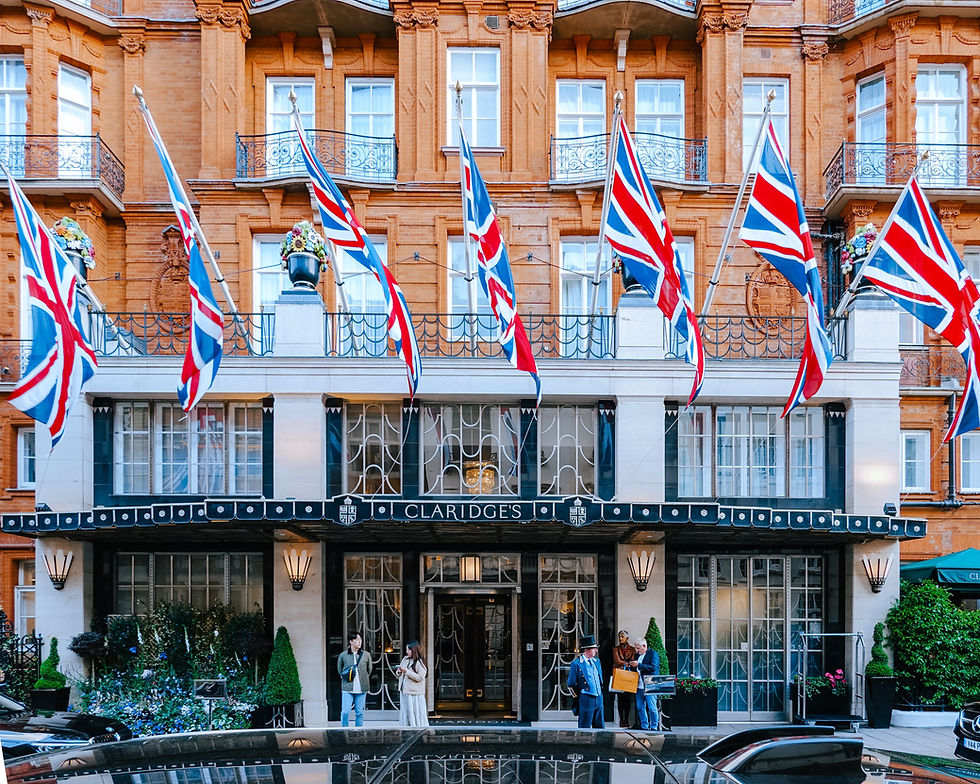
A professional personal bodyguard is trained to blend into the client’s environment - whether that means sitting quietly in a private members’ club in Mayfair, accompanying travel through Heathrow, or providing low-visibility support during business meetings.
The objective is not presence.
It is protection.
And when done correctly, protection is rarely noticed by anyone except the people responsible for providing it.
Hiring a personal bodyguard in London: discretion over display
London presents unique security challenges for high-profile individuals.
As one of the world’s leading financial and cultural centres, the city attracts global executives, investors and public figures - increasing both visibility and personal security considerations.
From business meetings in Canary Wharf to private events in Chelsea or Mayfair, the city combines dense public environments with global visibility. Executives, entrepreneurs, and public figures often move between airports, corporate offices, and private venues in a single day.
In these environments, security must be discreet.
A visible or intrusive presence can attract the attention clients are trying to avoid. Effective close protection in London focuses on subtlety: understanding routes, anticipating risks, and maintaining awareness without disrupting the client’s schedule.
For many UHNW individuals, this balance between protection and discretion is what makes hiring a personal bodyguard in London a practical solution rather than a lifestyle change.
What builds trust when choosing a personal bodyguard
Trust is not something a security provider can simply claim - it becomes clear through experience, reputation, and the way a team operates long before deployment begins.
For UHNW clients, trust often comes down to several key factors.
Professional background
Many of the most trusted bodyguards come from military or police careers where responsibility, discipline, and confidentiality are fundamental.
Vetting and licensing
In the UK, close protection officers must hold an SIA licence. Professional agencies also conduct additional vetting before operatives work with private clients.
Direct relationships
UHNW individuals often prefer working with security firms where they have direct access to leadership rather than navigating large corporate structures.
Risk assessment before deployment
Professional protection always begins with understanding the client’s lifestyle, travel patterns, and risk profile before recommending any security presence.
At VIS Protection, every operative has experience in military or police service, bringing a level of professionalism and discretion that clients expect.
Security without the ‘bodyguard presence’: protective surveillance

For some UHNW individuals, the idea of a visible bodyguard remains uncomfortable.
In these situations, protective surveillance can offer an alternative.
Rather than maintaining a constant visible presence, trained operatives monitor the environment discreetly from a distance. The principal continues their routine without an escort, while still benefiting from professional protection and threat awareness.
Protective surveillance is particularly useful for individuals who value privacy or who wish to maintain a low profile during daily activities.
Why UHNW individuals eventually choose protection
For many clients, the decision to hire a personal bodyguard happens gradually.
Exposure increases
As careers progress and success becomes more visible, executives and high-profile individuals naturally attract greater attention. Media coverage, industry influence and public recognition can gradually increase personal exposure in ways that are not always obvious at first.
Travel becomes more frequent
Travel becomes more frequent, often across multiple countries and jurisdictions where security conditions can vary. Monitoring official guidance such as the UK Government’s Foreign Travel Advice helps executives stay informed about potential risks.
Public visibility grows
As professional influence grows, appearances at conferences, investor meetings, public events and media engagements become more common. These environments can increase visibility, making discretion and situational awareness an important part of maintaining personal security.
Responsibilities expand
Senior leaders often carry responsibility not only for their own safety, but for their teams, families and organisations. With greater responsibility comes the need to ensure that travel, meetings and daily routines can continue smoothly without unnecessary risk or disruption.
Over time, the question shifts from:
“Do I need security?” to “How can I manage risk without disrupting my life?”
Often the first step is not a permanent security detail but a short-term deployment - protection during travel, major events, or periods of increased visibility.
If you're still exploring the practical side of the process, our guide explaining how to hire a bodyguard in the UK or Ireland outlines the legal and operational considerations involved.
A final word
When UHNW individuals hesitate, it’s rarely because they doubt the risks. More often, it’s because they value privacy and independence. That instinct is something we respect.
Security should never feel like a loss of freedom. Done properly, it provides reassurance in the background - allowing clients to focus on their work, their families, and their lives without unnecessary concern.
If you’re considering hiring a personal bodyguard in London or across the UK, the first step is not a commitment.
It’s simply a conversation about what level of protection feels right for you.
FAQs: Hiring a Trusted Personal Bodyguard
Is hiring a personal bodyguard common for high-net-worth individuals?
Yes. Many high-net-worth individuals, business executives and public figures choose to hire a personal bodyguard when their visibility increases. Protection is often used during international travel, major events, or periods of heightened exposure rather than as a permanent presence.
Can a personal bodyguard work discreetly without being visible?
Yes. Modern close protection is designed to be discreet. A professional personal bodyguard blends into the environment and adapts their visibility depending on the situation. In many cases, the goal is to monitor risk and remain unobtrusive rather than maintain a constant visible presence.
How do high-profile individuals trust a personal bodyguard?
Trust usually comes from professional background, vetting, and reputation. Many personal bodyguards come from military or police careers where confidentiality and discipline are fundamental. Professional security firms also use licensing, vetting procedures, and non-disclosure agreements to protect client privacy.
Do executives in London use personal bodyguards?
Yes. London is a global business hub where executives frequently attend investor meetings, corporate events and international travel engagements. Many business leaders use discreet bodyguards or close protection officers to manage travel logistics, monitor risks and maintain privacy during high-visibility activities.
How do personal bodyguards work alongside household staff and personal assistants?
Professional close protection officers are trained to integrate seamlessly with a client’s existing team, including personal assistants, household staff, drivers and estate managers. Clear communication and defined roles ensure security operates discreetly without disrupting daily routines. For UHNW families, this coordination is essential — protection should support the household environment while maintaining the same standards of trust and confidentiality expected from every member of staff.
Is it possible to have security without a visible bodyguard?
Yes. Some individuals prefer protective surveillance rather than a visible escort. This approach allows trained operatives to monitor the environment discreetly while the client continues their routine normally, providing protection without an obvious security presence.


Comments